


Gas prices could rise again in Florida
Ervin Shkulaku|DUANEWS | October 11, 2026 A new wave of attacks on Russian oil infrastructure, combined with escalating violence in Saudi Arabia and disruptions to Middle Eastern shipping routes, is raising concerns about another…
Ervin Shkulaku|DUANEWS | October 11, 2026
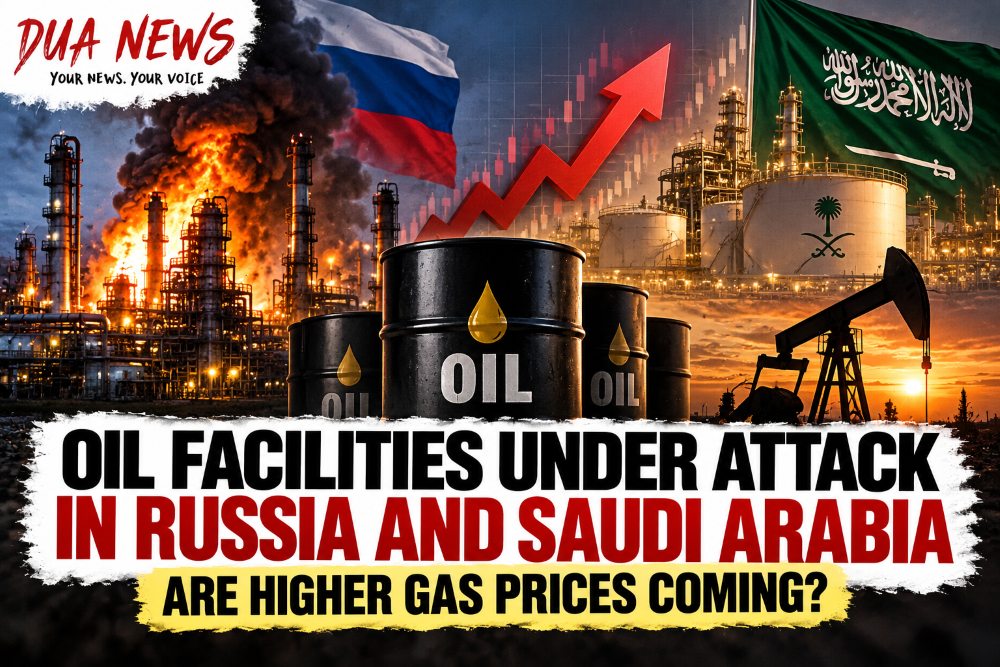
A new wave of attacks on Russian oil infrastructure, combined with escalating violence in Saudi Arabia and disruptions to Middle Eastern shipping routes, is raising concerns about another increase in global oil and fuel prices.
The developments come at a time when energy markets are already under significant pressure, leaving American drivers facing the possibility of higher gasoline and diesel costs.

Ukraine continues targeting Russian oil
Ukraine has intensified its campaign against Russian refineries, pumping stations and other energy facilities, aiming to weaken one of Moscow’s most important sources of revenue.
Recent attacks have targeted facilities in several Russian regions, including Volgograd and Samara. Ukrainian officials have also reported strikes deep inside Russian territory.
The attacks have disrupted refining operations and contributed to fuel supply problems within Russia.
On Sunday, Ukrainian President Volodymyr Zelenskyy said Kyiv would consider stopping its strikes on Russian oil refineries if Moscow agreed to halt attacks on Ukraine’s energy infrastructure.
President Donald Trump has criticized Ukraine’s refinery attacks, arguing that they are contributing to higher fuel prices.
Saudi Arabia faces attacks as Middle East tensions grow
The situation in the Middle East is adding another layer of uncertainty.
Saudi Arabia has faced missile and drone attacks attributed to Yemen’s Houthi movement. On October 10, a deadly attack struck King Khalid International Airport in Riyadh, disrupting air travel and raising fears of further escalation.
Earlier in October, the Houthis also claimed to have targeted Saudi Aramco infrastructure. However, the extent of any damage to oil production facilities has not been independently confirmed.
Saudi Arabia is one of the world’s most important oil exporters, meaning any significant disruption to its production or export infrastructure could have consequences far beyond the region.
Shipping risks are another concern. Attacks on tankers and reduced traffic through the Strait of Hormuz have already increased uncertainty over global energy supplies.
Oil prices have already reacted
Energy markets have shown signs of strain.
On October 8, Brent crude briefly climbed above $105 per barrel amid renewed concerns about Middle Eastern shipping disruptions and threats to oil supplies.
The latest attacks could add further pressure when markets reopen, particularly if traders fear that additional oil facilities, tankers or export routes could be affected.
However, attacks on refineries do not automatically translate into higher crude oil prices. The impact depends on whether the disruption reduces global oil supplies, limits fuel production or interferes with exports.
What does this mean for American drivers?
For drivers in Florida and across the United States, the biggest concern is the price at the pump.
Higher global crude oil prices can eventually push gasoline prices upward, while refinery disruptions and shortages can place additional pressure on diesel.
Diesel is particularly important because it powers much of the transportation industry, including trucks that deliver groceries, construction materials and other essential products.
Higher transportation costs can also affect the prices consumers pay for everyday goods.
Still, the size and timing of any future price increase remain uncertain.
Could gasoline prices rise again?
The risk is real, but an increase is not guaranteed.
If attacks continue and disrupt major oil export routes, prices could face additional upward pressure. If tensions ease and supplies remain available, markets could stabilize.
For now, the combination of Ukrainian strikes on Russian energy infrastructure and escalating conflict in the Middle East is creating another period of uncertainty for the global oil market.
Conversation 0