


No relief in sight for oil prices as Saudi Arabia faces another missile attack
Fresh missile attacks targeting Saudi Arabia have renewed fears of another period of instability in global oil markets, raising concerns that consumers hoping for lower gasoline prices may face a longer wait. The latest…
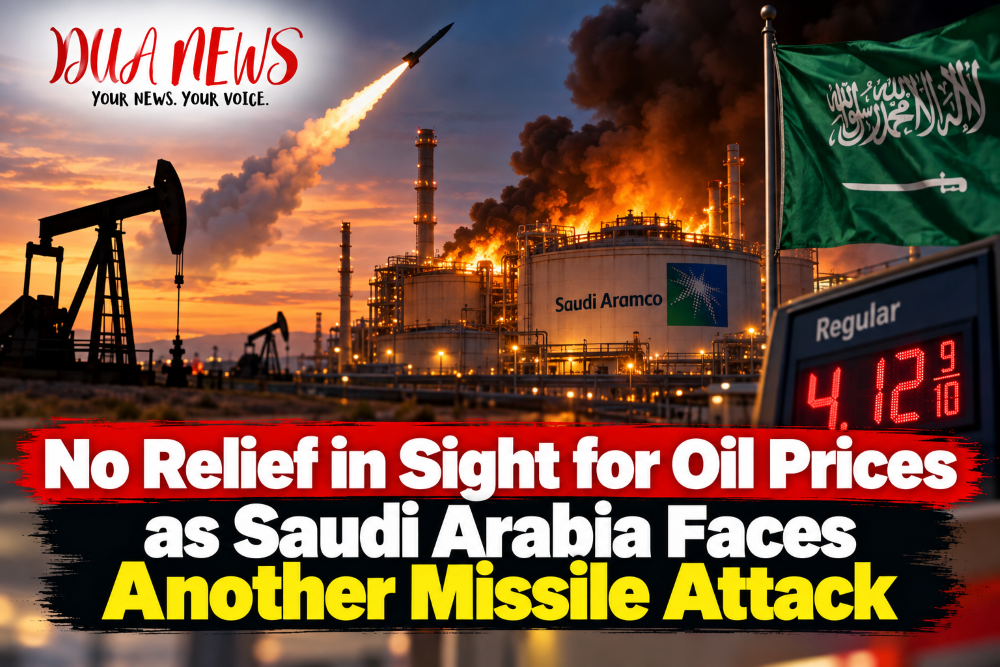
Fresh missile attacks targeting Saudi Arabia have renewed fears of another period of instability in global oil markets, raising concerns that consumers hoping for lower gasoline prices may face a longer wait.
The latest escalation comes amid heightened tensions involving Saudi Arabia, the Houthi movement and the United States. With major energy facilities and critical shipping routes increasingly exposed to regional hostilities, the possibility of further disruptions is worrying international markets.
For millions of American drivers, including those in Florida, the developments could have consequences at the gas pump.

Missile Strike Raises Concerns Over Saudi Oil Infrastructure
Saudi Arabia reported renewed missile activity on Tuesday, October 13, with explosions reported near facilities associated with Saudi Aramco, one of the world’s largest oil companies.
Reports indicated that a missile struck an administrative building at Aramco’s complex in Dhahran, causing a limited fire. No casualties were initially reported.
The incident immediately raised questions about the safety of Saudi Arabia’s extensive energy infrastructure.
Although damage to an administrative facility does not necessarily mean oil production has been interrupted, attacks near major energy installations can increase uncertainty in international markets.
Saudi Arabia remains one of the world’s most influential oil exporters, and even the possibility of production or export disruptions can affect global energy prices.
Oil Prices Already Above $100 a Barrel
The renewed violence comes as global oil prices remain elevated, with Brent crude trading above $100 per barrel for much of recent weeks.
According to Reuters, oil markets have struggled to regain confidence despite efforts to restore shipping flows through the Strait of Hormuz.
High transportation costs, increased insurance premiums and continuing military threats have made it difficult for prices to return to earlier levels.
The latest attacks on Saudi Arabia add another source of uncertainty, particularly because the country plays such a critical role in supplying oil to international markets.
Saudi Arabia and Houthis Exchange Attacks
The strike on Saudi Aramco followed Saudi-led airstrikes against Houthi-controlled targets in Yemen, including fuel infrastructure near the capital, Sanaa.
The Houthis, who are aligned with Iran, have threatened further attacks against Saudi energy facilities.
The conflict has intensified in recent weeks, with missile and drone attacks targeting strategic locations across Saudi Arabia.
One of the deadliest recent incidents occurred at Riyadh’s international airport, where a missile attack killed 13 people.
Saudi authorities have warned that continued attacks will bring consequences, while concerns grow that the fighting could expand further across the region.
What Does This Mean for Gas Prices in Florida?
The developments are particularly concerning for Florida residents, who are already paying substantially more for gasoline than they were a year ago.
According to AAA, the average price of regular gasoline in Florida stood at approximately $4.12 per gallon on October 13, compared with about $2.91 during the same period last year.
Diesel prices were even higher, averaging approximately $5.95 per gallon statewide.
Drivers in Jacksonville, Miami, Orlando, Tampa and other Florida communities could face additional pressure if the conflict disrupts oil production or international shipping.
However, the latest missile attack does not guarantee an immediate increase in gasoline prices. Retail fuel costs depend on several factors, including global crude prices, refinery capacity, distribution expenses and demand.
Trump Faces Growing Pressure Over Energy Prices
President Donald Trump has repeatedly expressed confidence that energy prices can decline as international tensions ease.
However, continuing military confrontations involving Iran, Saudi Arabia and the Houthis have complicated those expectations.
Reuters reported Tuesday that efforts to calm oil markets have become less effective as traders focus increasingly on the security of actual energy supplies rather than political assurances.
The conflict is also creating additional uncertainty ahead of the November midterm elections, when the cost of living and fuel prices are expected to remain major concerns for American voters.
Will Gasoline Become Cheaper Anytime Soon?
Much will depend on whether the latest escalation continues.
If Saudi oil production remains uninterrupted and regional tensions begin to ease, global prices could stabilize or decline.
But additional strikes against energy infrastructure, prolonged shipping disruptions or further military escalation could keep oil prices elevated.
For Florida drivers hoping to see gasoline return to significantly lower prices, the latest developments offer little immediate reassurance.
The attack on Saudi Aramco is another reminder that events in the Middle East can have economic consequences thousands of miles away, including at gas stations across the United States.
Conversation 0