


Property tax proposal faces trouble— Why?
A proposal that could significantly reduce property taxes for millions of Florida homeowners is facing growing uncertainty just weeks before voters head to the polls. Amendment 3, a proposed change to Florida's Constitution, would…
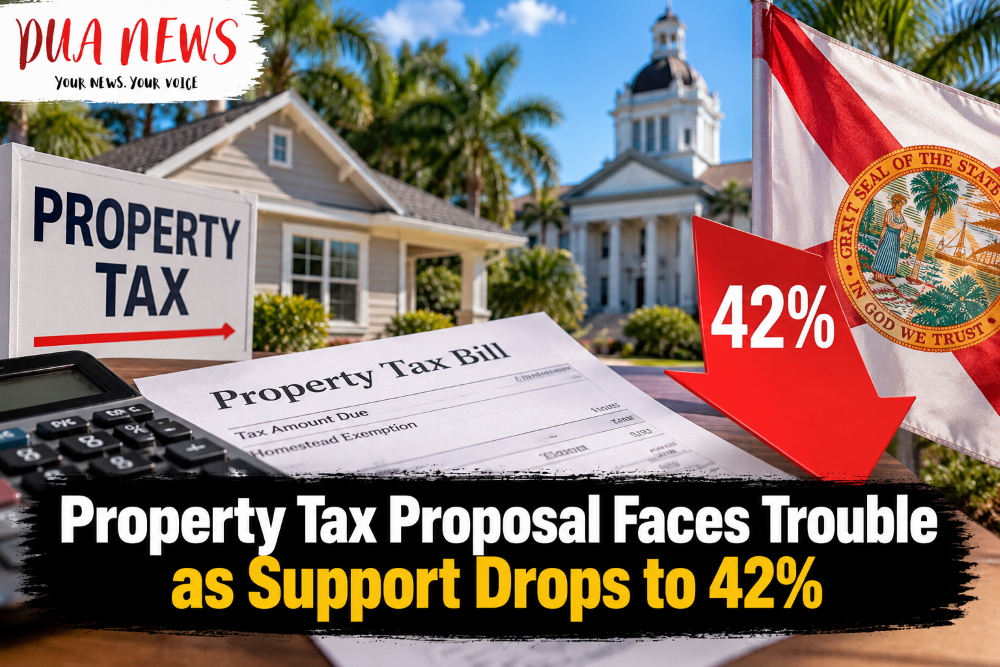
A proposal that could significantly reduce property taxes for millions of Florida homeowners is facing growing uncertainty just weeks before voters head to the polls.
Amendment 3, a proposed change to Florida’s Constitution, would increase the homestead property tax exemption to $150,000 in 2027 and $250,000 in 2028 for taxes other than those levied by school districts.
For many homeowners struggling with rising insurance premiums, utility bills and housing expenses, the proposal may sound like welcome financial relief.

But a new poll suggests that convincing voters could be more difficult than supporters expected.
According to Florida Politics, a St. Pete Polls survey found that support for Amendment 3 had fallen to 42%, down from 45% in an earlier survey.
That puts the measure 18 percentage points below the 60% approval required for constitutional amendments in Florida.
So why are voters becoming hesitant about a proposal designed to lower their taxes?
One major concern is what could happen to public services if local governments collect substantially less property tax revenue.
Property taxes help fund police departments, fire rescue services, roads, libraries, parks and other essential operations.
State financial estimates indicate that Amendment 3 could eventually reduce local government revenue by nearly $12 billion annually.
Supporters argue that Florida homeowners deserve relief from increasing property taxes and that local governments should find ways to operate more efficiently.
Opponents, however, warn that the loss of revenue could force cities and counties to reduce services, increase other fees or find alternative sources of funding.
The debate has become particularly significant in Jacksonville.
According to Jacksonville Today, the Jacksonville Civic Council, an organization representing prominent regional business leaders, has publicly opposed Amendment 3.
The group warned that reduced property tax collections could threaten services residents rely on, including road maintenance, drainage systems, libraries and public safety.
Jacksonville’s City Council auditor has estimated that the proposal could reduce Duval County’s projected property tax revenue by approximately $300 million in the 2027–2028 fiscal year.
Law enforcement and firefighter organizations across Florida have also expressed concerns about the amendment’s potential consequences.
The Florida Sheriffs Association and Florida Professional Firefighters have warned that local budget reductions could affect emergency services and response capabilities.
Another challenge for the proposal is that not every Florida resident would benefit equally.
The expanded homestead exemption would primarily benefit qualifying owners of primary residences. Renters would not receive the same direct tax reduction, and the financial benefits for homeowners would depend on their property’s taxable value and local tax rates.
However, the latest polling numbers do not tell the entire story.
A separate Mason-Dixon survey reported by NBC 6 found 55% support, while another poll commissioned by the James Madison Institute placed support at 63% among likely voters.
The differences show that public opinion remains unsettled and that survey methods, ballot wording and voters’ understanding of the financial trade-offs may influence the results.
With the November 3 election approaching, both supporters and opponents face a crucial challenge: explaining not only how much homeowners could save, but also how Florida communities would pay for essential services afterward.
Conversation 0